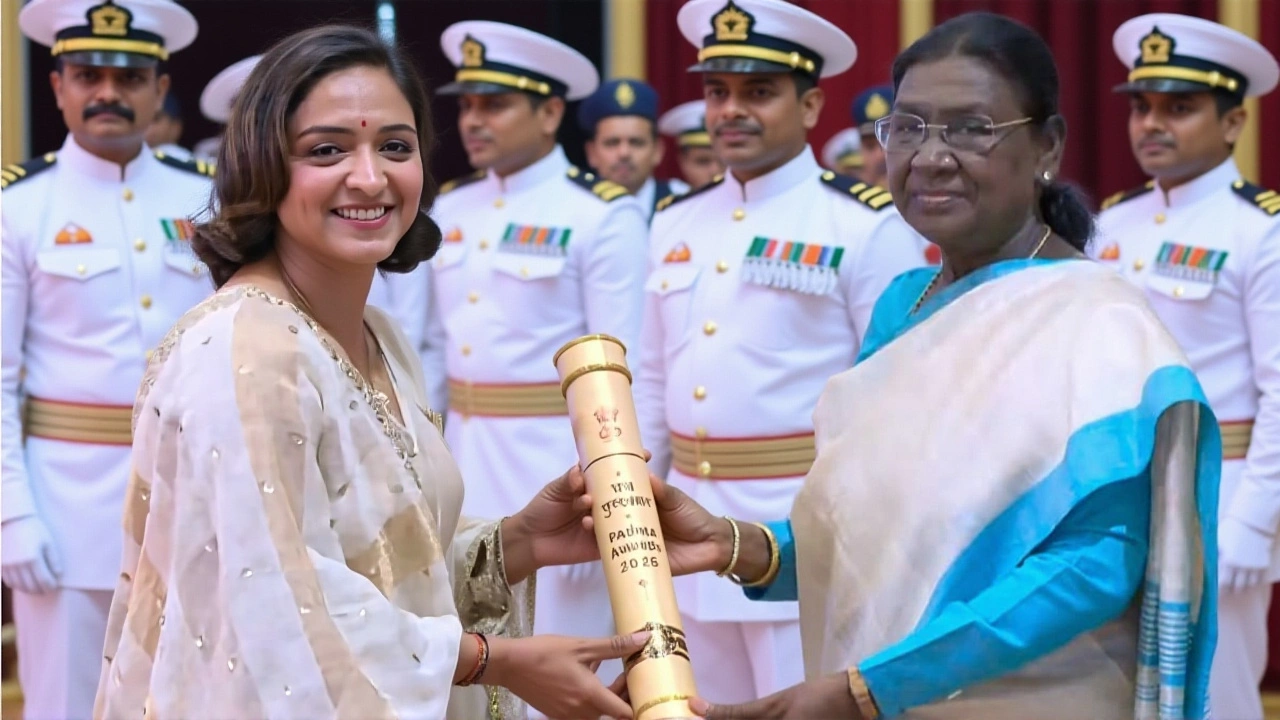
When Droupadi Murmu, President of India, stepped onto the dais at Rashtrapati Bhavan on May 25, 2026, she wasn't just handing out medals. She was cementing a legacy. In a ceremony that blended tradition with modern recognition, the President conferred the first batch of Padma Awards for the year, honouring 66 distinguished individuals across arts, science, sports, and public service.
The atmosphere in New Delhi was electric, not just for the celebrities present, but for the sheer breadth of talent being recognised. From Bollywood icons to grassroots social workers, the list reflected a deliberate shift towards what officials are calling the "People's Padma" initiative. But for sports fans, the headlines were dominated by one specific category: eight athletes received the Padma Shri, India’s fourth-highest civilian award, marking a significant nod to sporting excellence in a year where performance metrics were scrutinised more than ever.
A Star-Studded Lineup Beyond Sports
Before we get to the podium finishes, it’s worth noting who else shared the stage. The ceremony honoured heavyweights like actor Dharmendra and banking magnate Uday Kotak, alongside lesser-known figures described as "unsung heroes." This mix is intentional. The Ministry of Home Affairs has been pushing to diversify the narrative around these awards, moving away from purely political or bureaucratic honours to include cultural icons and community changemakers.
Here’s the thing about the 2026 list: it’s bigger and more inclusive than previous years. A total of 131 Padma honours were announced for 2026, recognising 133 personalities (since some awards are shared duos). Of those, 19 are women, 6 are foreigners or Persons of Indian Origin, and 16 are posthumous. That’s a record number of posthumous awards, suggesting a retrospective look at lives cut short but impact lasting long.
Sports Take Centre Stage: The Eight Recipients
But let’s talk sports, because that’s where the drama—and the pride—lies. Eight sportspersons received the Padma Shri this year, a testament to India’s growing global footprint in athletics. Here’s the breakdown:
- Rohit Sharma (Cricket): The veteran opener continues to be a national treasure, his leadership and consistency earning him yet another state honour.
- Harmanpreet Kaur Bhullar (Cricket): The queen of Indian women’s cricket secured her place in history, recognising her pivotal role in elevating the women’s game.
- Baldev Singh (Field Hockey): A stalwart in a sport that’s seen a resurgence, Baldev’s dedication to field hockey was duly noted.
- Savita Punia (Field Hockey): Alongside Baldev, Savita represents the new wave of Indian hockey talent aiming for Olympic glory.
- Bhagwandas Raikwar (Martial Arts): Recognising traditional combat sports, Raikwar’s contribution to preserving and promoting martial arts was highlighted.
- K Pajanivel (Silambam): Another nod to indigenous sports, Pajanivel’s expertise in Silambam, a Tamil martial art form, brought regional pride to the national stage.
- Praveen Kumar (Para Athletics): The high-jumper’s resilience and achievements in para-sports underscored the government’s push for inclusivity in athletic recognition.
- Vladimer Mestvirishvili (Wrestling): Perhaps the most unique entry, this Georgian freestyle wrestling coach was honoured posthumously. He is reported to be the first-ever foreign coach to receive a Padma Award, a historic first that bridges international ties through sport.
The inclusion of Vladimer Mestvirishvili is particularly striking. It signals that India’s sporting success isn’t just homegrown; it’s built on global collaboration. His posthumous award adds a layer of poignancy to the ceremony, reminding us that influence often outlasts life itself.
The "People's Padma" Shift
Why does this matter? Because the criteria for these awards have evolved. The Ministry of Home Affairs defines the Padma Shri as recognition for "distinguished service in any field." But in practice, the selection committee seems to be prioritising accessibility and relatability. The term "People's Padma" isn’t just marketing fluff; it’s a policy direction. By including grassroots changemakers alongside Dharmendra, the government is trying to make these awards feel less elitist and more reflective of everyday Indian achievement.
This shift is evident in the diversity of the 2026 list. We’re seeing recognition for artists from smaller states, scientists working in rural healthcare, and athletes from niche sports like Silambam. It’s a broader canvas, and frankly, it’s overdue.
Timeline and Process: How These Awards Are Chosen
The process behind these honours is meticulous. Nominations open annually, and a high-level committee reviews thousands of applications. For 2026, the final list was approved by the President on January 25, 2026, the eve of Republic Day. The actual conferral, however, happens later. The first Civil Investiture Ceremony on May 25 was just the beginning; more ceremonies will follow to cover all 131 awardees.
This staggered approach allows for greater visibility. Each ceremony becomes a media event, ensuring that every recipient gets their moment in the spotlight. For sportspersons like Harmanpreet Kaur and Rohit Sharma, this means their achievements are broadcast to millions, inspiring the next generation of athletes.
What’s Next for Indian Sports?
The ripple effects of these awards extend beyond the ceremony. With eight sportspersons honoured, there’s a clear message: sports are no longer a secondary pursuit in India. They are central to national identity. Expect increased funding, better infrastructure, and more media coverage for non-cricket sports in the coming years. The recognition of Para Athlete Praveen Kumar and martial artists like Bhagwandas Raikwar suggests a move towards holistic sporting development, not just medal-chasing in mainstream events.
As we look ahead, keep an eye on how these honours translate into tangible support for athletes. The Padma Awards are prestigious, but they need to be backed by policy changes that sustain careers long after the medals are handed out.
Frequently Asked Questions
Who are the sportspersons awarded Padma Shri in 2026?
Eight sportspersons received the Padma Shri in 2026: cricketers Rohit Sharma and Harmanpreet Kaur Bhullar; hockey players Baldev Singh and Savita Punia; martial artists Bhagwandas Raikwar and K Pajanivel (Silambam); para-athlete Praveen Kumar; and posthumously, Georgian wrestling coach Vladimer Mestvirishvili.
Why is Vladimer Mestvirishvili’s award significant?
Vladimer Mestvirishvili is notable because he is reportedly the first-ever foreign coach to receive a Padma Award. His posthumous recognition highlights India’s appreciation for international contributions to its sporting success, specifically in freestyle wrestling.
How many total Padma Awards were given in 2026?
A total of 131 Padma Awards were announced for 2026, comprising 5 Padma Vibhushan, 13 Padma Bhushan, and 113 Padma Shri awards. These honours recognise 133 distinct personalities due to two duo awards.
What is the "People's Padma" initiative?
The "People's Padma" initiative aims to broaden the scope of civilian honours to include grassroots changemakers and unsung heroes alongside iconic figures. It reflects a policy shift towards recognising diverse contributions from all sectors of society, making the awards more representative of the general population.
When were the 2026 Padma Awards announced and conferred?
The list of 2026 Padma Awardees was officially announced on January 25, 2026, on the eve of Republic Day. The first Civil Investiture Ceremony, where 66 awards were conferred by President Droupadi Murmu, took place on May 25, 2026, at Rashtrapati Bhavan in New Delhi.