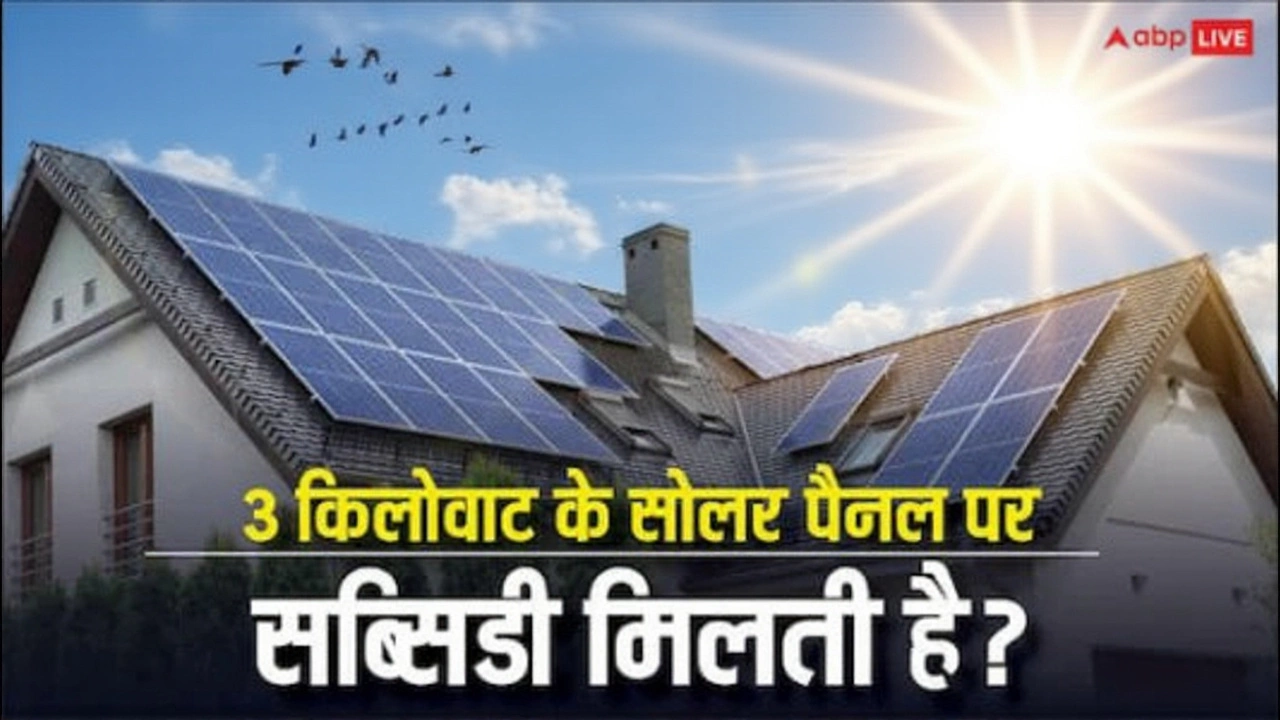
Here’s the reality check for Indian homeowners eyeing green energy: installing a 3kW rooftop solar system isn’t just about buying panels—it’s navigating a complex web of costs, subsidies, and state-specific rules. The upfront price tag can swing wildly from ₹82,000 to over ₹2 lakh depending on your setup, but the government’s PM Surya Ghar Muft Bijli Yojana is designed to slash that burden significantly.
The twist? You might pay out of pocket first. In many cases, you’ll cover the full installation cost before seeing the subsidy hit your bank account months later. But if you’re in states like Uttar Pradesh or Odisha, combined central and state support could reduce your net cost to near zero.
Breaking Down the Real Costs
Let’s cut through the marketing noise. A standard 3kW on-grid system—the most common choice for homes—typically costs between ₹1.15 lakh and ₹1.63 lakh, inclusive of taxes. If you opt for an off-grid system (which includes batteries for backup power), expect to pay closer to ₹2.11 lakh. Hybrid systems, which offer both grid connection and battery storage, sit somewhere in the middle, often ranging from ₹1.7 lakh to ₹2.4 lakh.
Why the variance? It comes down to component quality and brand. A basic conversion kit might run you ₹1 lakh, while premium setups with high-efficiency Mono PERC panels and robust inverters push prices higher. Industry data suggests the per-watt cost hovers between ₹47.95 and ₹76.98. That means every upgrade in panel efficiency or inverter capacity adds up quickly.
One homeowner shared a real-world example: their 3kW system using 540W bifacial panels cost ₹1.6 lakh, financed via loan. Another case showed a hybrid setup costing ₹1.85 lakh due to a larger-than-standard inverter. These aren’t outliers; they reflect the current market reality where hardware choices dictate final bills.
How Much Subsidy Can You Actually Get?
This is where it gets interesting. Under the PM Surya Ghar Scheme, the central government caps subsidies at ₹78,000 for systems of 3kW or larger. For smaller setups, it’s ₹30,000 for 1kW and ₹60,000 for 2kW. Simple enough, right? Not quite.
Several states are adding their own layer of financial support. In Uttar Pradesh, residents can receive a total subsidy of ₹1.08 lakh when combining central and state funds. Other regions report combined subsidies around ₹95,000. There are even whispers of additional state grants worth ₹17,000 expected soon in certain areas.
But here’s the catch: timing. The subsidy doesn’t arrive at checkout. After installation and verification by certified agencies, the amount is transferred directly to your bank account via Direct Benefit Transfer (DBT). This process typically takes 4 to 5 months. So, yes, you need the cash flow to handle the initial expense before getting reimbursed.

Key Requirements You Must Meet
You can’t just buy panels from any vendor and expect a refund. To qualify for the subsidy, several strict conditions apply:
- Certified Installers Only: Your system must be installed by a government-empanelled vendor. Unverified installers mean no subsidy.
- Domestic Content Requirement (DCR): All panels and key components must be manufactured in India. Imported equipment disqualifies you from the scheme.
- Online Application: Registration happens through the official central rooftop portal or your local DISCOM (Distribution Company).
- On-Grid Preference: While hybrid systems are gaining popularity, the core subsidy framework is optimized for on-grid connections that feed excess power back into the national grid.
Failing any of these steps results in rejection. It’s not bureaucratic red tape—it’s a mechanism to ensure quality control and boost domestic manufacturing.
Will It Save You Money Long-Term?
Absolutely. A well-installed 3kW system generates approximately 360 units of electricity per month, though this fluctuates by ±10% based on weather, location, and panel orientation. If your monthly bill averages ₹3,000, switching to solar could save you roughly ₹2,400 every single month.
Over a year, that’s nearly ₹28,800 in savings. With a 25-year lifespan for modern panels—and warranties extending up to 27 years for some bifacial models—the return on investment becomes compelling. Even after accounting for maintenance, most homeowners break even within 3 to 5 years.
However, be aware of changing billing policies. Many states have replaced traditional "net metering" (where exported and imported power cancel out one-to-one) with "net billing." Here, you sell excess power back at a fixed rate—often around ₹2.82 per unit—while buying consumption at standard tariffs. This shift reduces the immediate financial benefit but still keeps overall expenses lower than relying solely on grid power.
What’s Next for Solar Adoption?
The momentum is undeniable. Demand for 3kW systems has skyrocketed since the launch of the PM Surya Ghar initiative. Experts predict further simplification of application processes and faster subsidy disbursements as digital infrastructure improves. Additionally, more states are likely to introduce matching subsidies to compete for green energy adoption metrics.
If you’re considering the switch, start by checking your local DISCOM’s guidelines and verifying installer empanelment status. Don’t rush into deals without confirming DCR compliance. And remember: while the upfront cost feels steep, the long-term independence from rising electricity tariffs makes it a smart financial move.
Frequently Asked Questions
How much does a 3kW solar system cost in India currently?
The cost varies widely based on configuration. An on-grid system typically ranges from ₹1.15 lakh to ₹1.63 lakh. Off-grid systems with battery storage cost significantly more, often exceeding ₹2 lakh. Hybrid systems fall in between. Prices include all taxes but depend heavily on component brands and inverter sizes.
Is the PM Surya Ghar subsidy available for everyone?
No, eligibility requires specific conditions. You must use certified installers, purchase domestically manufactured components (DCR compliant), and register via the official government portal or your local DISCOM. Systems must also meet technical standards verified during post-installation checks.
When will I receive my subsidy money?
Subsidies are disbursed via Direct Benefit Transfer (DBT) after successful installation and verification. This process usually takes 4 to 5 months. You must pay the full installation cost upfront; the reimbursement arrives later in your linked bank account.
Do I need to worry about net metering changes?
Yes, policy shifts matter. Many states now use net billing instead of net metering. Instead of crediting excess power at retail rates, you may only receive ~₹2.82 per unit exported. While less lucrative than before, it still offsets consumption costs effectively compared to non-solar households.
Which states offer extra subsidies beyond the central government?
States like Uttar Pradesh and Odisha provide additional financial aid. In UP, total subsidies can reach ₹1.08 lakh for 3kW systems. Other regions report combined benefits around ₹95,000. Always check your state’s latest renewable energy policy for exact figures, as these incentives evolve frequently.